Este blog tiene un uso exclusivamente didáctico, funciona como apoyo a las clases. Contiene materiales de distintas fuentes. Si como propietario no está de acuerdo con este uso docente, envíe un e-mail para la retirada del material.
Etiquetas
- 1º ESO Bilingüe
- 2º ESO Bilingüe
- 3º ESO Bilingúe
- 3ºESO
- Avisos
- Did you know...?
- Doubts/Dudas
- ¿Sabías que...?
Mostrando entradas con la etiqueta 3º ESO Bilingúe. Mostrar todas las entradas
jueves, 10 de marzo de 2016
miércoles, 17 de febrero de 2016
jueves, 11 de febrero de 2016
jueves, 28 de enero de 2016
martes, 12 de enero de 2016
jueves, 31 de diciembre de 2015
Unit 2. Review Exercises
FOOD AND
HEALTH
Answer the following
questions:
1. What nutrient brings more energy: a
carbohydrate or a lipid? What nutrients do not provide energy?
2. What are vitamins? How many classes
do you know? Name foods rich in vitamins.
3. Match the types of food with their
role.
Structural (meat, eggs) Produce energy
Energy (honey, sugar, oil) Make organs
Regulators (fruits and vegetables) They make the body work properly.
4. Currently the percentage of obesity
is increasing dramatically in most countries. Name the causes of this increase.
What steps must be taken to prevent obesity?
5. Define food and nutrition. Name five
examples of each one.
6. What are organic nutrients? Name how
many classes do you know it and explains its function.
7. The wheel foods groups foods
according to their function (color) and according to its importance for a
balanced diet (size). Write how are they named and their function.
8. Are techniques of food preservation
necessary? Why? What is the main purpose of these techniques?
9. Complete the table:
|
Techniques of food preservation
|
How it works?
|
examples
|
|
|
|
|
|
|
|
|
|
|
|
|
|
|
|
|
10. What is a GMO? Name the advantages
and disadvantages of GMOs.
11. What are the causes of food
poisoning? How can it be avoided?
12. Explain what problems could have
people whose diet is unbalanced, either by an excess or deficiency of
nutrients.
lunes, 21 de diciembre de 2015
domingo, 13 de diciembre de 2015
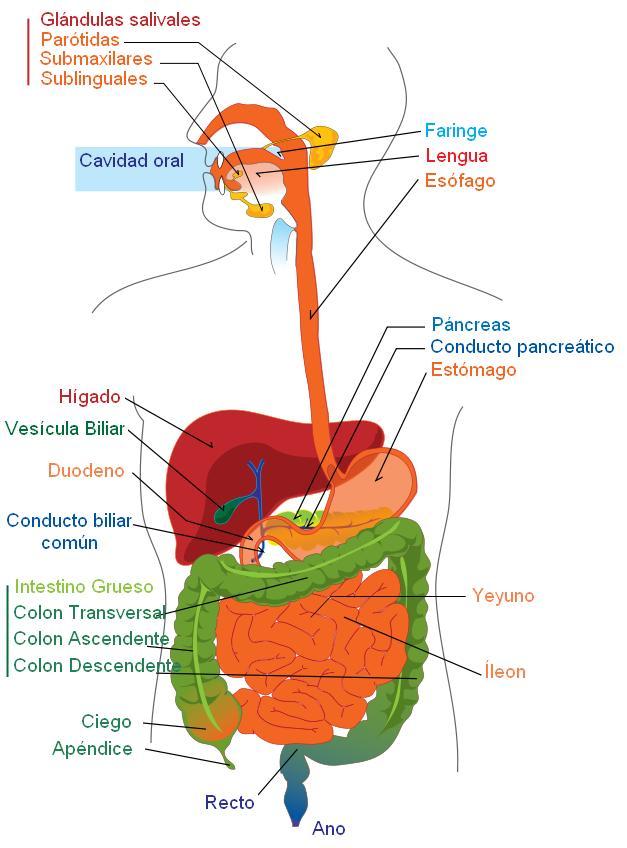
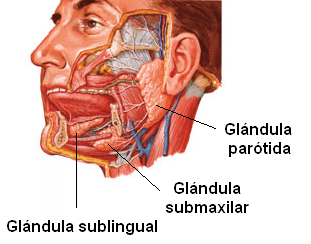
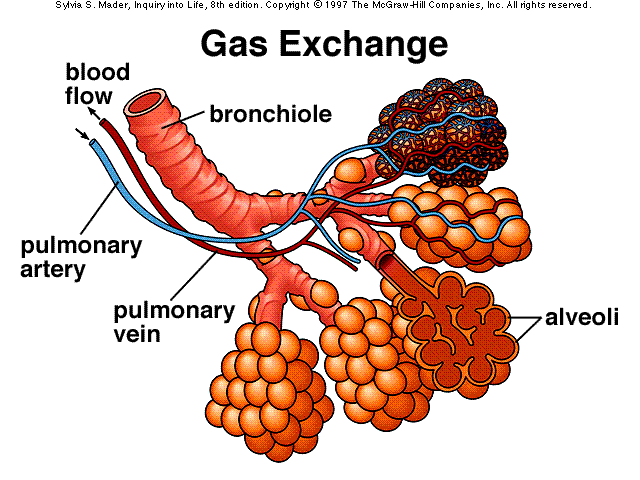
Aparato Digestivo/ Digestive System
Os dejo algunos enlaces donde podréis aprender sobre el Aparato Digestivo. Solo tenéis que picar en el enlace.
Proyecto Biosfera, aparatos digestivo y respiratorio.
Nuestro Cuerpo en un Clic, función de nutrición.
Y algunas imágenes.


algunos vídeos:
Proyecto Biosfera, aparatos digestivo y respiratorio.
Nuestro Cuerpo en un Clic, función de nutrición.
Y algunas imágenes.


algunos vídeos:
martes, 1 de diciembre de 2015
lunes, 9 de noviembre de 2015
Make your own diet /elabora tu propia dieta
Microscope observation of cheek cells
I add some images to help you with the experiment report about microscope observation of cheek cells.
First we used a clean cotton swab to get the cells, then we used the methylene blue solution to give color to the cells, then we used the microscope with differents magnifications to study the sample
we could see something like this:


jueves, 5 de noviembre de 2015
Super Size Me
Super Size Me
As we could learn in the first and second units, talking about different biomolecules and their function in the human body, and also all the information that we received from the activity about nutrition that we have had on the high school, we know that is really important to have a good diet to be healthy.

See the documentary "Super size Me", write a short report where you describe what happen in the film, the real problems that a bad diet can cause in our organisms and the importance of have a good diet.
There is something wrong with it, so maybe you need to see the first and last part in spanish or look for it in other places
Follow this to wath the spanish version:
martes, 13 de octubre de 2015
jueves, 8 de octubre de 2015
jueves, 24 de septiembre de 2015
Suscribirse a:
Entradas (Atom)